Root Canal Treatment: Separating the Facts from the Fear
Root canal treatment has a reputation that’s far worse than the reality. For most patients, it’s no more uncomfortable than getting a standard filling, and it can save a tooth that would otherwise need extraction. If your dentist has recommended a root canal, here’s what the procedure actually involves and why it’s worth it.
Why Root Canals Have Such a Bad Reputation
Ask most people what they think of when they hear “root canal,” and you’ll likely get a wince in response. This reputation was earned decades ago, before modern anaesthetics, imaging, and techniques transformed dentistry. Today, the procedure itself is designed to relieve pain, not cause it. The discomfort people associate with root canals is almost always caused by the infection or damage that made the treatment necessary in the first place, not the treatment itself.
Understanding this distinction is the first step in separating fact from fear.
What Actually Happens Inside Your Tooth
Every tooth has a soft inner core (the pulp) containing nerves and blood vessels. When this pulp becomes infected or inflamed, whether from deep decay, a crack, or repeated dental work, it can cause significant pain, sensitivity, and swelling. Left untreated, the infection can spread into the surrounding bone.
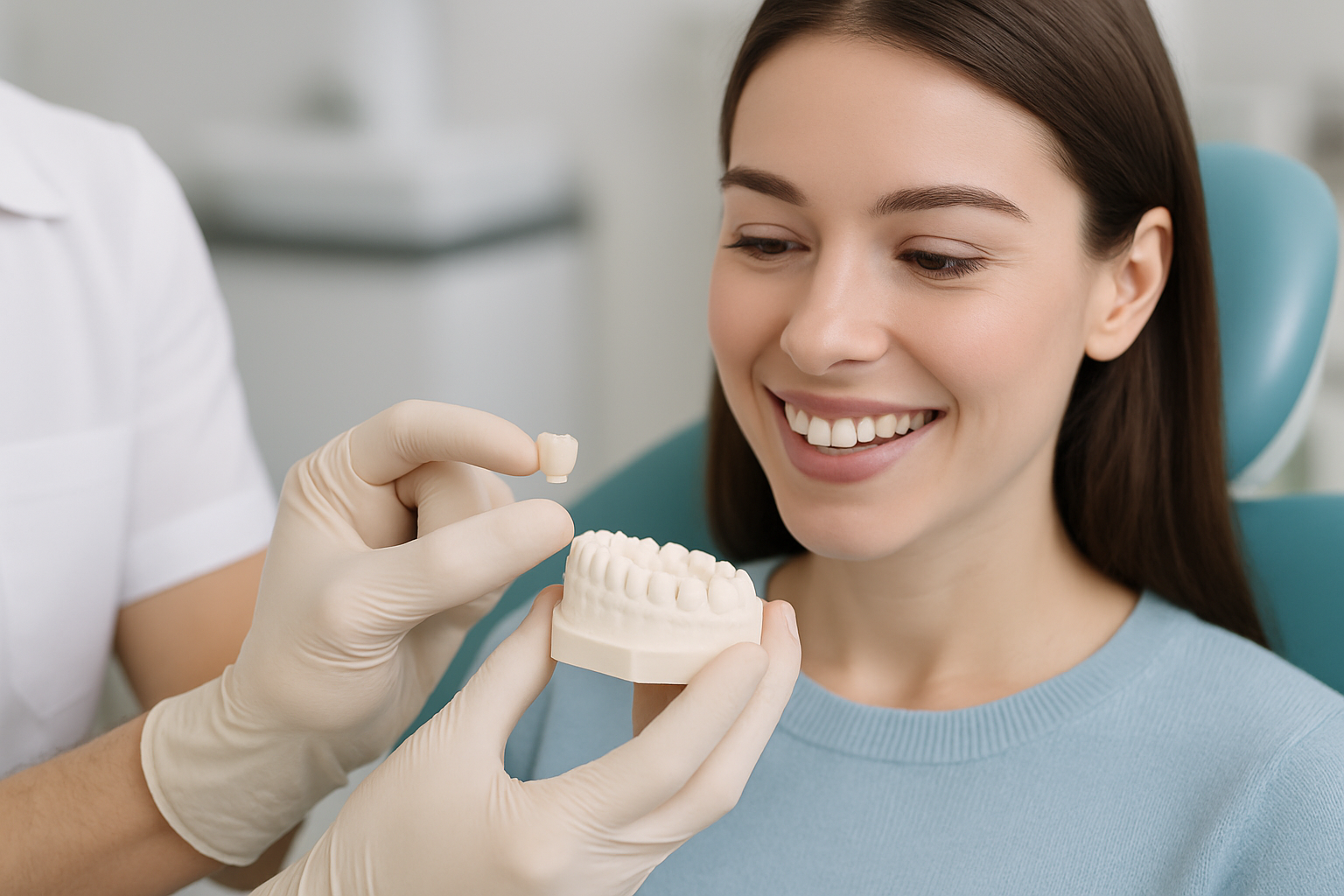
Root canal treatment removes this damaged tissue, cleans and disinfects the inside of the tooth, and seals it to prevent further infection. The tooth is then typically restored with a filling or a dental crown, depending on how much natural structure remains. This approach allows you to keep your natural tooth rather than losing it altogether.
Common Warning Signs
- Persistent or throbbing toothache, especially when biting down
- Sensitivity to hot or cold that lingers well after the trigger is removed
- Swelling or tenderness in the gums near a specific tooth
- A tooth that has darkened or discoloured
- Pain that seems to come from nowhere, or that flares up unexpectedly
If any of these sound familiar, it’s worth getting checked promptly rather than waiting for the pain to pass. Toothaches don’t tend to resolve on their own, and delaying treatment can make the underlying problem worse.
Cracked or Broken Teeth Are Often the Cause
A chipped or broken tooth might look like a minor cosmetic issue, but it’s often a sign of something deeper. Breaks can occur because of decay hiding underneath the surface, years of grinding or clenching, or because one tooth is bearing more of the bite than it should. When a tooth is missing, the neighbouring teeth can become overloaded, increasing the risk of fracture.
Pain isn’t always the first symptom either. Teeth work together as a team, and cracks can extend without warning, even if things feel fine day to day. This is one of the main reasons a broken tooth should always be assessed rather than left to see how it goes. In some cases, an untreated crack can progress to the point where the pulp becomes involved, and a root canal becomes necessary to save the tooth.
If your break happened as the result of an accident, it may be worth exploring an ACC claim, which can help cover part of the cost of treatment, even if the accident happened some time ago.
What to Expect During Treatment
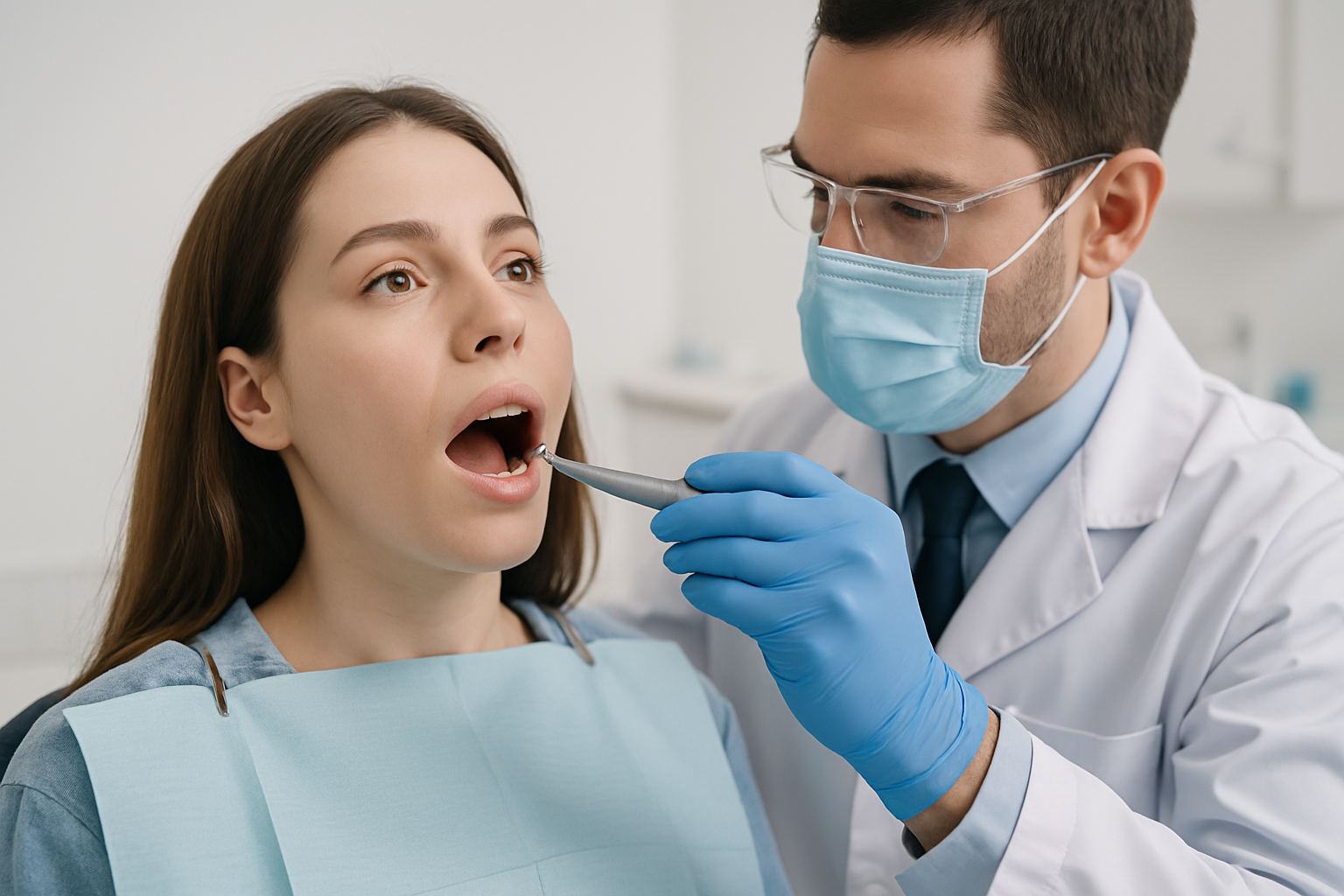
A root canal is generally completed using local anaesthetic, so the area is numbed in the same way it would be for a filling. Most patients report that the procedure feels very similar to having a standard filling placed, contrary to the horror stories that tend to circulate.
Once the tooth is comfortable and numb, the damaged pulp is removed and the inside of the tooth is carefully cleaned. The space is then sealed to prevent bacteria from re-entering. Depending on the extent of damage, the tooth may need a crown afterward to restore its strength and function, particularly for back teeth that handle significant chewing pressure.
Aftercare Basics
- Some mild soreness for a few days is normal and usually manageable with standard pain relief
- Avoid chewing on the treated tooth until any restoration, such as a crown, is complete
- Maintain your regular dental hygiene routine to protect the surrounding teeth and gums
- Attend any follow-up appointments to ensure the tooth has healed properly
Root Canal vs. Extraction: Why Saving the Tooth Matters
When a tooth is severely decayed or damaged, there are generally two paths forward: root canal treatment to save it, or extraction to remove it. While extraction can sometimes be the only appropriate option, particularly with extensive decay or advanced gum disease, preserving your natural tooth is almost always the preferred outcome where possible.
This is because losing a tooth creates consequences beyond the visible gap. Neighbouring teeth can shift or tip into the space, the opposing tooth may over-erupt, and the underlying bone can begin to shrink over time. Think of a tooth like a fence post: remove it, and the structure around it starts to weaken. A root canal, by contrast, allows the tooth to remain in place and continue functioning as part of your natural bite.
If extraction does become necessary, options like dental implants exist to rebuild from the ground up, but preventing that need in the first place is generally the simpler and more comfortable route.
When to Seek Help
If you’re experiencing a toothache, sensitivity, or swelling, it’s best not to wait. Same-day emergency appointments are available for urgent situations, and prompt attention often makes treatment simpler and more comfortable than if the issue is left to progress.
Final Thoughts
Root canal treatment doesn’t deserve the fear it often inspires. In reality, it’s a routine procedure designed to relieve pain and protect your natural smile, not create more discomfort. Understanding what the treatment actually involves, and recognising the warning signs early, can make all the difference between saving a tooth and losing it.
If you’re dealing with a persistent toothache, a cracked tooth, or have been told you may need a root canal, the team at Switch Dental in Lower Hutt is here to help. Book online today and take the first step toward relief and a healthier smile.