
Root Canal Treatment: Busting the Myths and Understanding the Real Benefits
Few dental procedures have a worse reputation than root canal treatment, but most of that fear is based on outdated myths. Today’s root canal procedures are comfortable, effective, and often the best way to save a tooth from extraction. Discover what really happens during a root canal and why it’s nothing like you imagined.
At Switch Dental in Lower Hutt, our approach to every situation, from a nagging toothache to a broken tooth, starts with the same question: can we save the natural tooth? Root canal treatment is often the answer, and understanding how it works can take away much of the anxiety that surrounds it.
Where the Fear Comes From
Root canal treatment has earned a reputation as one of the most dreaded phrases in dentistry. For many people, the word alone brings to mind outdated stories of pain and lengthy recovery. The truth is that most of this fear comes from decades-old experiences and word-of-mouth exaggeration, not from what actually happens in a modern dental chair.
Let’s look at the most common myths, one at a time, and separate them from reality.
Myth 1: Root Canal Treatment Is Extremely Painful
This is by far the most persistent myth. In reality, the pain people associate with root canal treatment usually comes from the infected or inflamed tooth itself, not the treatment. The procedure is designed to relieve that pain by removing the source of the infection. Patients who need root canal treatment are often already experiencing a toothache, and the treatment is what brings relief, not further discomfort.
Myth 2: It’s Better to Just Pull the Tooth
Extraction might seem like the simpler option, but removing a tooth creates its own set of problems. Neighbouring teeth can shift or tip into the gap, the opposing tooth can over-erupt, and the bone underneath can begin to shrink over time. Whenever possible, our priority is to preserve your natural tooth rather than remove it. Root canal treatment allows the tooth to stay in place, keeping your bite, your bone structure, and your smile working as they should.
Myth 3: Root Canal Treatment Takes Multiple Uncomfortable Visits
While some cases do require more than one appointment depending on the complexity of the infection, this isn’t because the treatment itself is drawn out or unpleasant. It’s simply about giving the tooth the time it needs to heal properly and ensuring the infection is fully addressed before the tooth is restored, often with a crown.
Myth 4: A Root Canal Means Something Went Badly Wrong
Needing a root canal doesn’t mean you’ve failed at dental care. Teeth can become infected or damaged for many reasons, including deep decay, a crack that extends beneath the surface, or an old filling that has broken down. Sometimes a break happens without warning, and pain isn’t always the first sign of trouble. Teeth work as a team, and when one is compromised, it’s worth having it checked rather than waiting for things to get worse.
What Actually Happens During Root Canal Treatment
Understanding the process can make it feel far less intimidating. In general terms, root canal treatment involves:
- Assessment: The tooth is examined to confirm that the infection or damage has reached the inner chamber (the pulp) and that root canal treatment, rather than a filling or crown alone, is the appropriate solution.
- Cleaning: The infected or inflamed tissue inside the tooth is carefully removed.
- Shaping and disinfecting: The inner canals of the tooth are cleaned and shaped to prepare them for filling.
- Sealing: The canals are filled and sealed to prevent further infection.
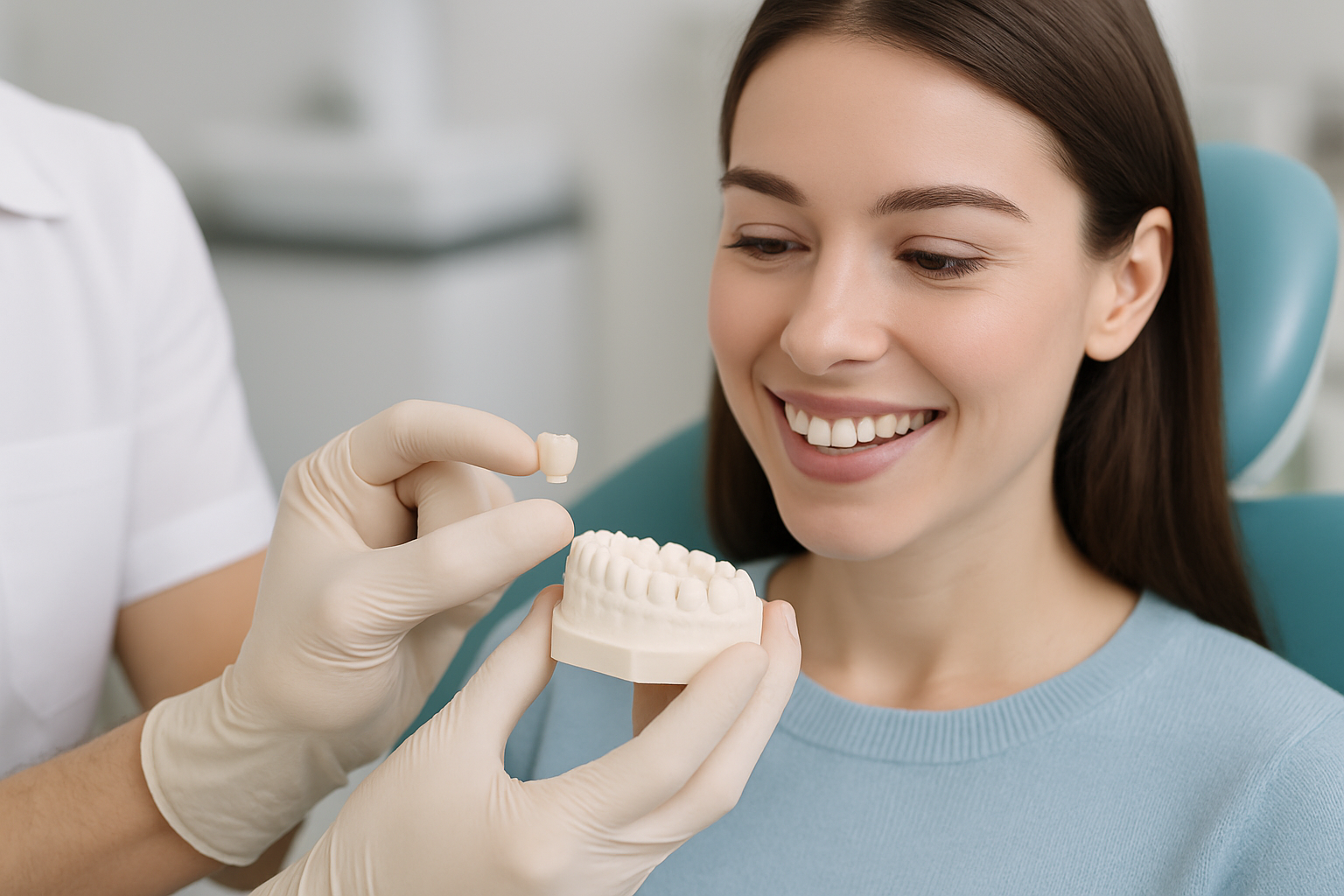
- Restoration: In many cases, a dental crown is placed afterwards to protect the tooth and restore its strength for everyday use.
This step-by-step approach is why root canal treatment has such a high success rate at relieving pain and saving teeth that might otherwise need to be extracted.
Signs You Might Need Root Canal Treatment
Toothache is one of the most common reasons people seek urgent dental care, and it’s often a sign that something deeper is going on. You might need root canal treatment if you notice:
- Persistent or throbbing tooth pain, especially when chewing or applying pressure
- Sensitivity to hot or cold that lingers well after the stimulus is removed
- A cracked or broken tooth, even if it doesn’t hurt right away
- Swelling or tenderness in the gum near a particular tooth
- Discolouration of a single tooth compared to those around it