Introduction
Good dental hygiene is about much more than just brushing twice a day. The daily habits you build around your teeth and gums have a direct impact on your long-term oral health, your confidence, and even your overall wellbeing. Small, consistent choices, made every single day, add up to fewer emergencies, fewer fillings, and a smile that lasts. Our dental hygiene team at Switch Dental in Lower Hutt shares the top ten habits that make the biggest difference for your smile, and how they connect to the everyday dental care we provide.
1. Brush Properly, Not Just Regularly
Most of us know we should brush twice a day, but technique matters just as much as frequency. Use a soft-bristled brush, angle it gently towards the gumline, and take your time, roughly two minutes, morning and night. Rushing through a brush can leave plaque sitting along the gums, which over time contributes to decay and gum irritation. Think of brushing as the foundation of every other habit on this list; get it right, and everything else becomes easier to maintain.
Practical Tip
Set a timer or use an electric toothbrush with a built-in timer so you are not guessing whether you have brushed long enough.
2. Do Not Skip Flossing or Interdental Cleaning
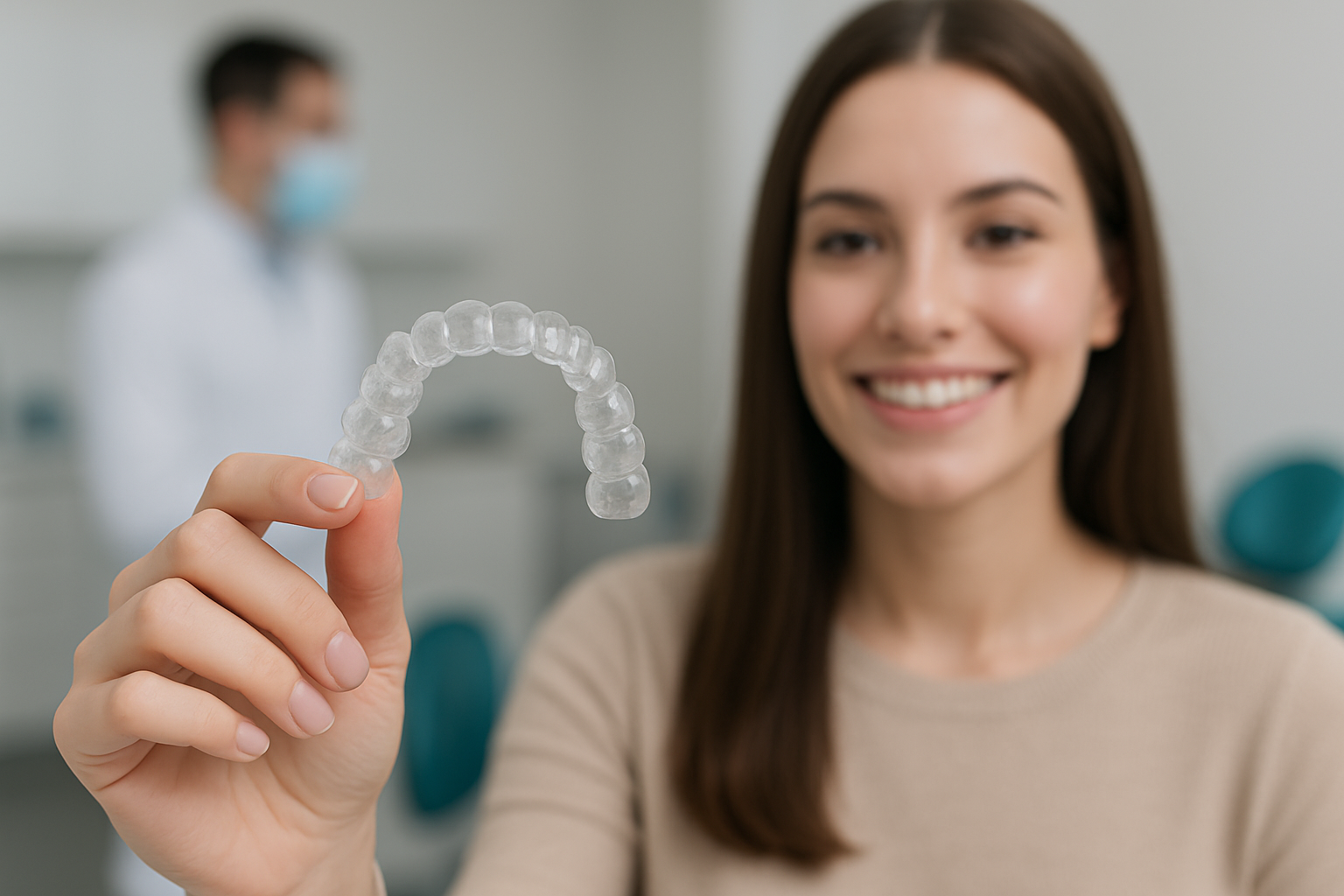
Your toothbrush cannot reach everywhere. The tight spaces between teeth are where plaque and food particles hide, and this is often where decay starts. Crowding and gaps can make this even harder; when teeth overlap or sit unevenly, it becomes difficult to clean between them properly. This is one reason mild misalignment is not just a cosmetic concern. Straighter teeth, such as those achieved with Invisalign Go, are often easier to keep clean because there are fewer awkward gaps and overlaps for plaque to hide in.
Why It Matters
- Reduces the risk of decay between teeth where a brush cannot reach.
- Helps prevent gum inflammation caused by trapped plaque.
- Supports the long-term health of teeth that rely on each other for support.
3. Be Mindful of What You Bite
Teeth are strong, but they are not indestructible. Biting into ice, hard lollies, bones, or unpopped popcorn kernels puts sudden, concentrated pressure on a tooth that it was never designed to handle. A break can happen in an instant, and it often reveals a weakness that was already there, such as decay underneath the surface or a tooth that has been carrying more than its fair share of the bite. Being mindful about what you chew, and how hard, protects your teeth from unnecessary strain.
Common Causes of a Broken Tooth
- Accidents and knocks, including sports injuries or falls.
- Biting something hard, like ice or lollies.
- Decay or old fillings weakening the tooth structure.
- Clenching and grinding causing gradual stress fractures.
- Missing teeth putting extra load on the remaining ones.
4. Pay Attention to Clenching and Grinding
Stress, tension, and habit can all lead to clenching or grinding, often without you even realising it, especially at night. Over time, this constant pressure can wear down enamel and create small fractures that eventually turn into bigger problems. If you notice jaw tightness in the morning or sensitivity that seems to appear without an obvious cause, it is worth mentioning to your dental team. Teeth work as a team, and if one is under constant pressure, the strain often shows up elsewhere too.
5. Do Not Ignore Tooth Pain
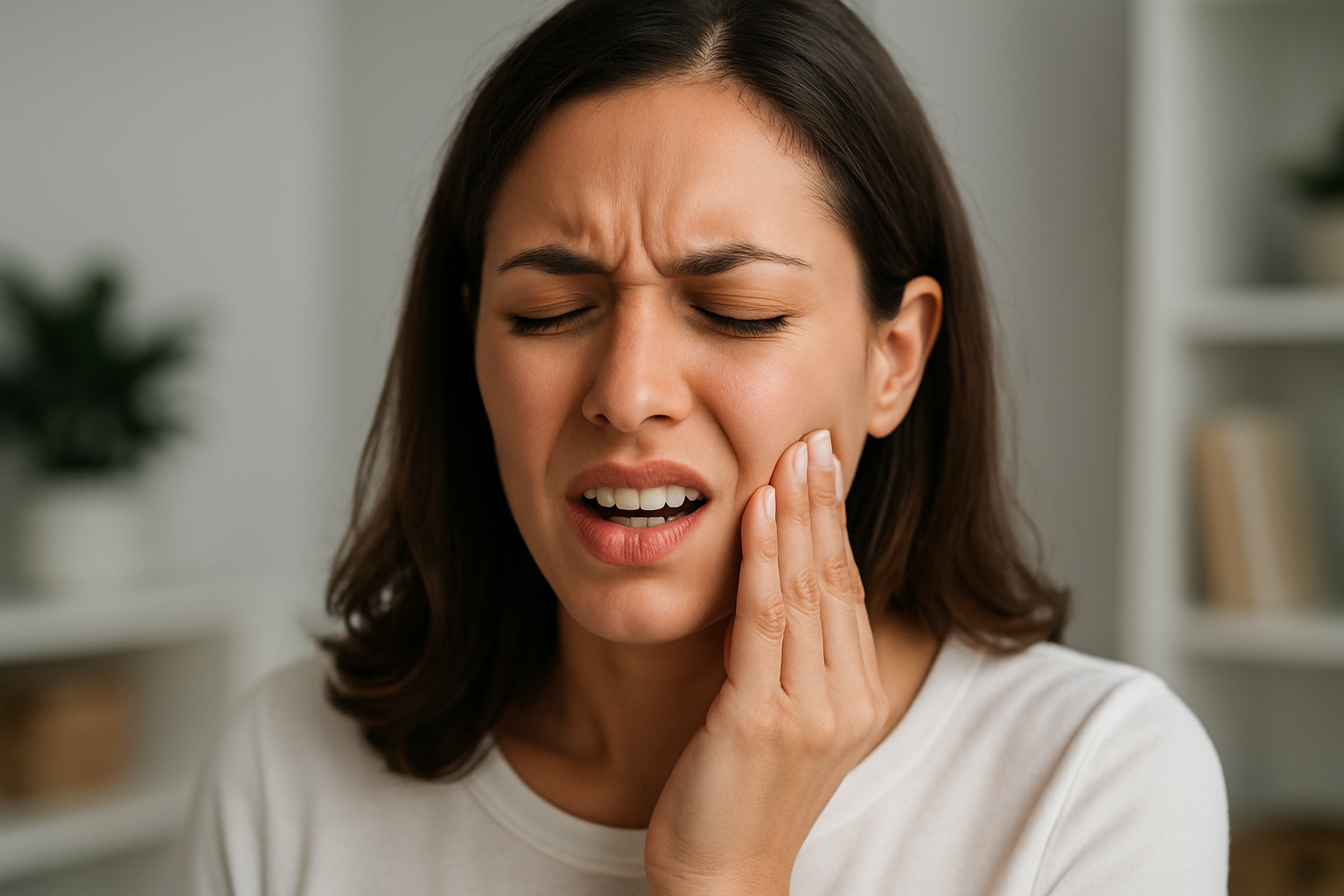
A toothache is rarely just bad luck. It is often your body’s way of telling you something needs attention, whether that is decay, an infection, or pressure from a nearby tooth. Ignoring the pain and hoping it settles on its own can allow the underlying issue to worsen. At Switch Dental in Lower Hutt, our toothache relief service is designed for exactly this situation, offering fast, expert treatment when you need it most, including same-day appointments when required.
When to Seek Help
- Persistent aching that does not settle after a day or two.
- Sensitivity to hot, cold, or sweet foods that lingers.
- Pain when biting down or chewing on one side.
- Swelling around the gum or jaw.
6. Treat a Chip or Break Right Away
A chipped or broken tooth can look minor, but appearances can be deceiving. Sometimes it hurts, sometimes it does not, and pain is not the only sign of trouble. Cracks can extend without warning, so even a small chip that feels fine today is worth having checked. Getting a broken tooth assessed promptly means smaller problems stay small, rather than developing into something that requires more extensive treatment down the line.
7. Look After Your Gums, Not Just Your Teeth
Healthy gums are the foundation everything else is built on, quite literally. Advanced gum disease can destroy the bone and ligaments that support your teeth, and once a tooth becomes loose due to significant bone loss, options for saving it can become limited. Keeping gums healthy through consistent brushing, interdental cleaning, and regular check-ups protects the structure beneath the surface, not just the visible part of your smile. This is especially relevant if you are considering long-term solutions like